
Join Us //
Are you ready to shape the future of sustainable aviation and work on hydrogen-powered aircraft? Are you looking for an exciting opportunity to do something impactful alongside your studies and try something new? Join AeroDelft and become part of our team! Check out the open positions listed below.
Please apply through the form via the button below. If you have any recruitment specific questions, do not hesitate to contact us by sending an email to recruitment@aerodelft.nl.
The Management Board is responsible for the overall direction and performance of AeroDelft. It sets strategic priorities, safeguards progress, and ensures that the organisation functions effectively on both a technical and organisational level.
Together, the board supports department leaders, oversees major decisions, and represents AeroDelft internally and externally. It ensures that ambition, responsibility, and team development evolve in parallel.
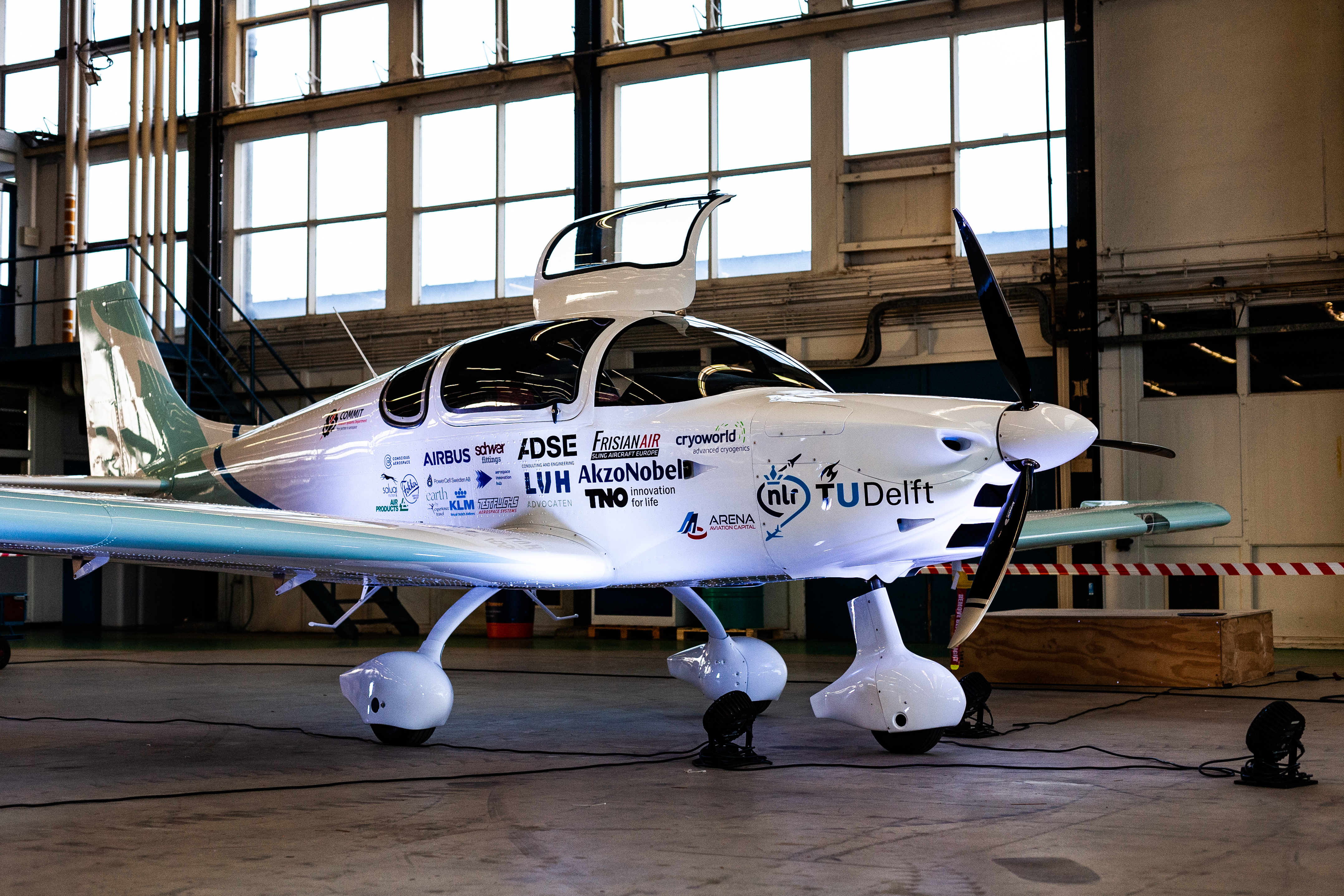

The Operations department ensures that AeroDelft's activities run smoothly in practice. The team coordinates logistics, events, supply chain, workspace organisation, recruitment activities, and internal planning, creating the practical foundation needed for effective engineering work. Alongside this, Exposure & Branding shapes how AeroDelft presents itself externally through social media, press relations, and creative communication, ensuring that the team's progress is clearly and professionally represented.
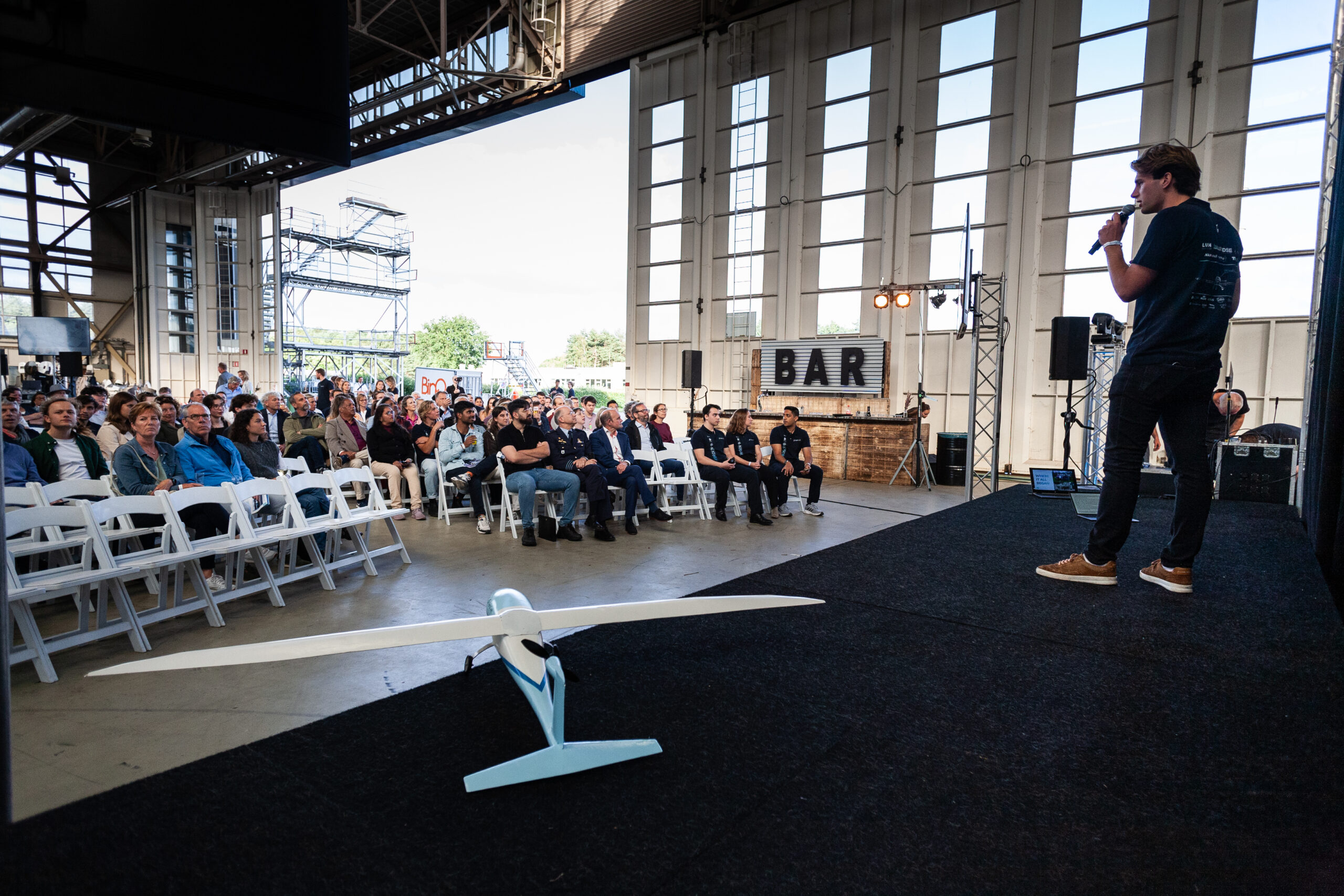
The Business department ensures that AeroDelft's partnerships, finances, and legal responsibilities support the long-term success of the project. The team develops strategic collaborations, maintains financial clarity, and safeguards contractual and regulatory obligations. By aligning external relationships and financial planning with AeroDelft's technical needs, the department enables the team to pursue ambitious engineering goals in a sustainable and responsible way.

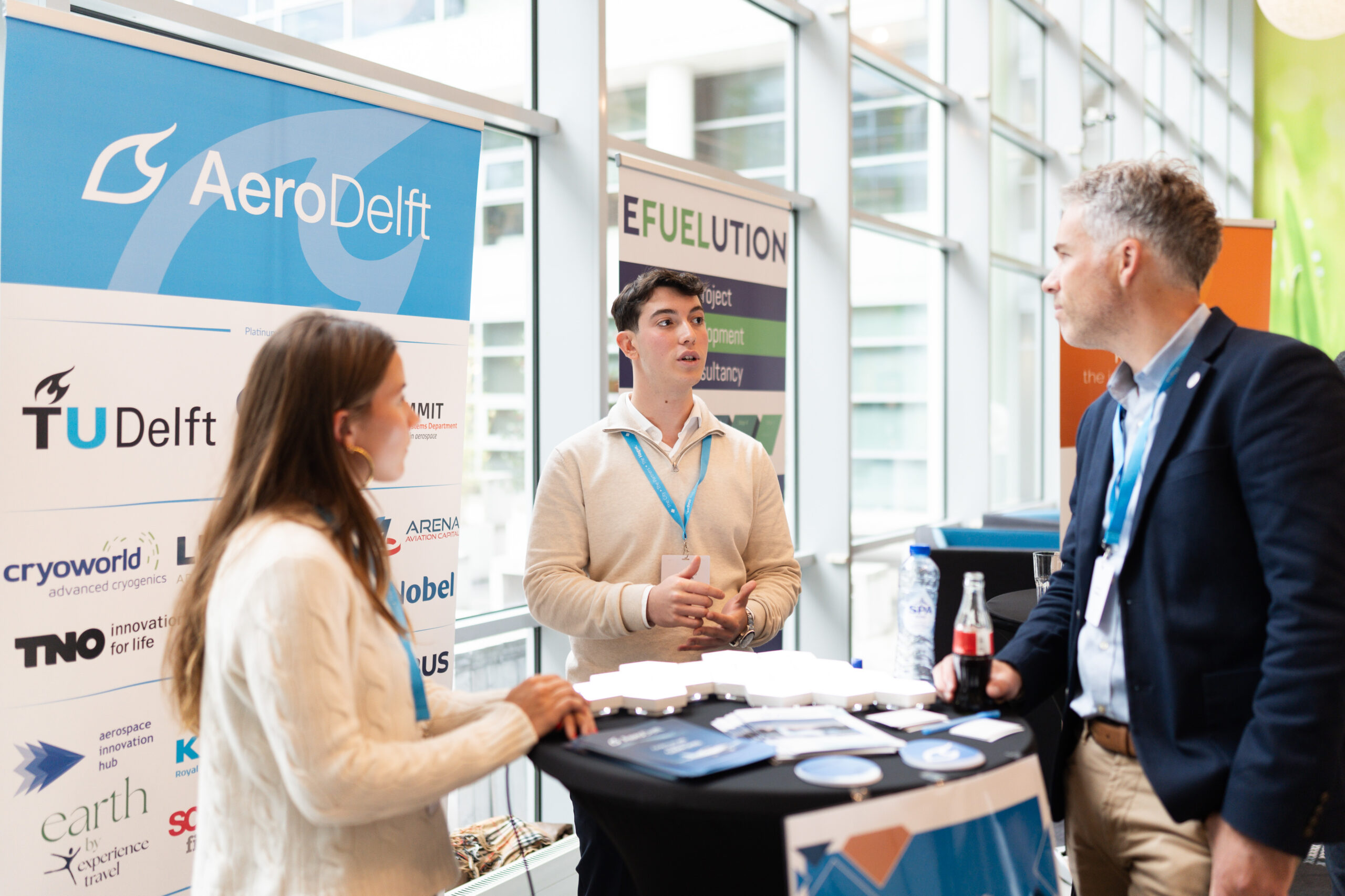
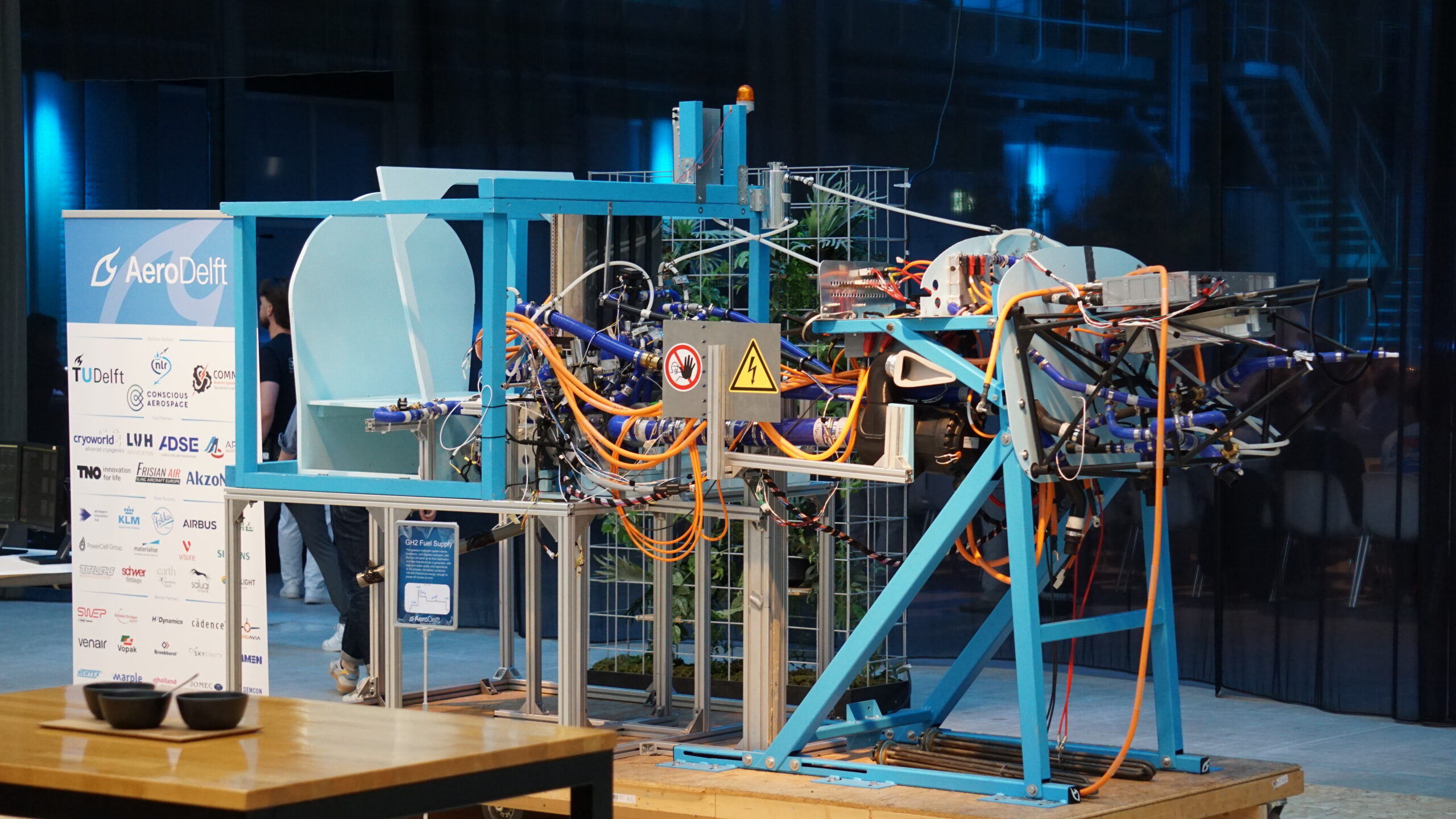
The Gaseous Hydrogen Propulsion department designs and qualifies the gaseous hydrogen fuel supply system that powers Phoenix FS. The team works on hydrogen storage, distribution, air supply, and thermal management, ensuring that the fuel-cell powertrain operates safely, efficiently, and in a way that can ultimately be certified for flight. Their work connects fluid systems, thermodynamics, and aircraft integration into a coherent propulsion system.
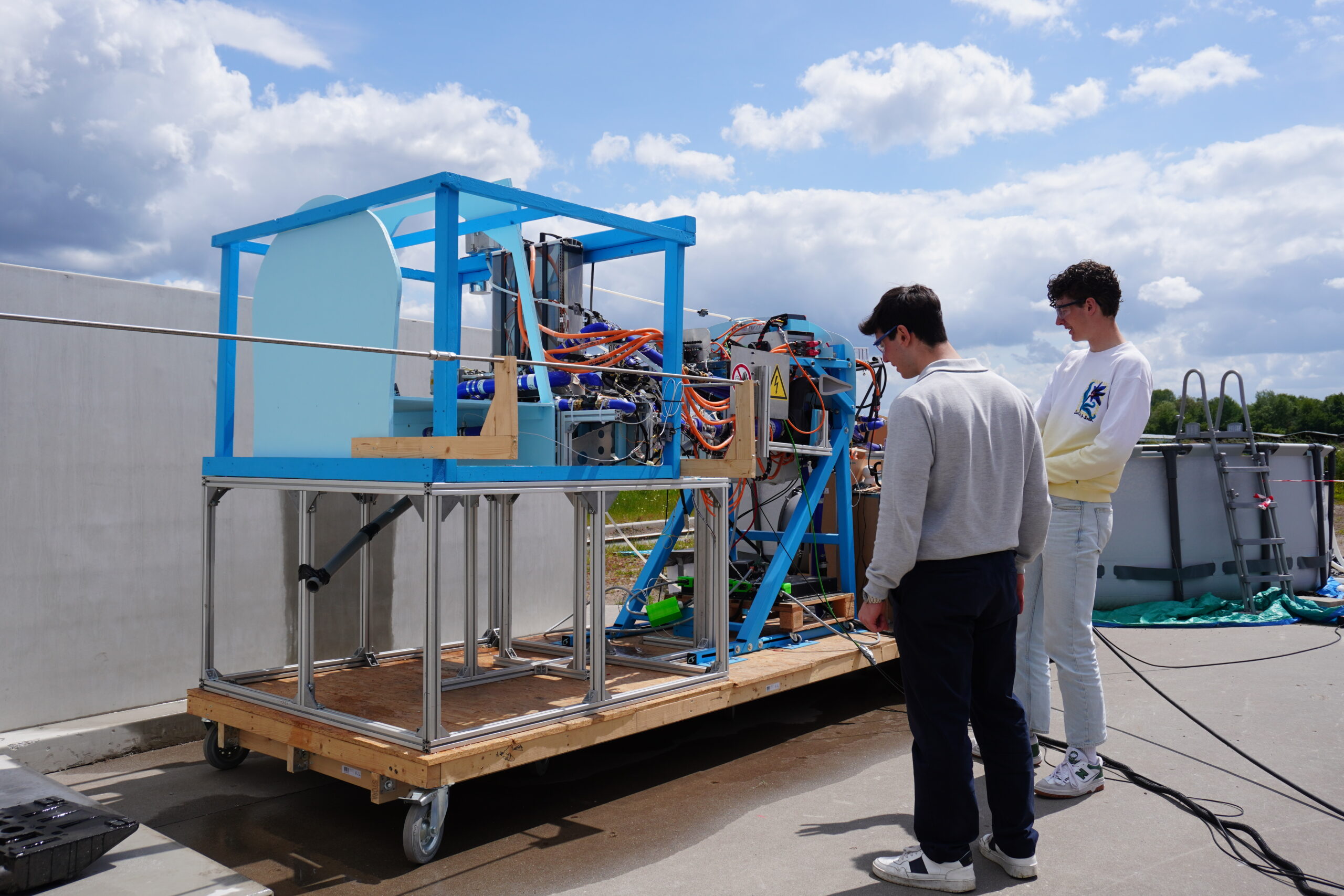
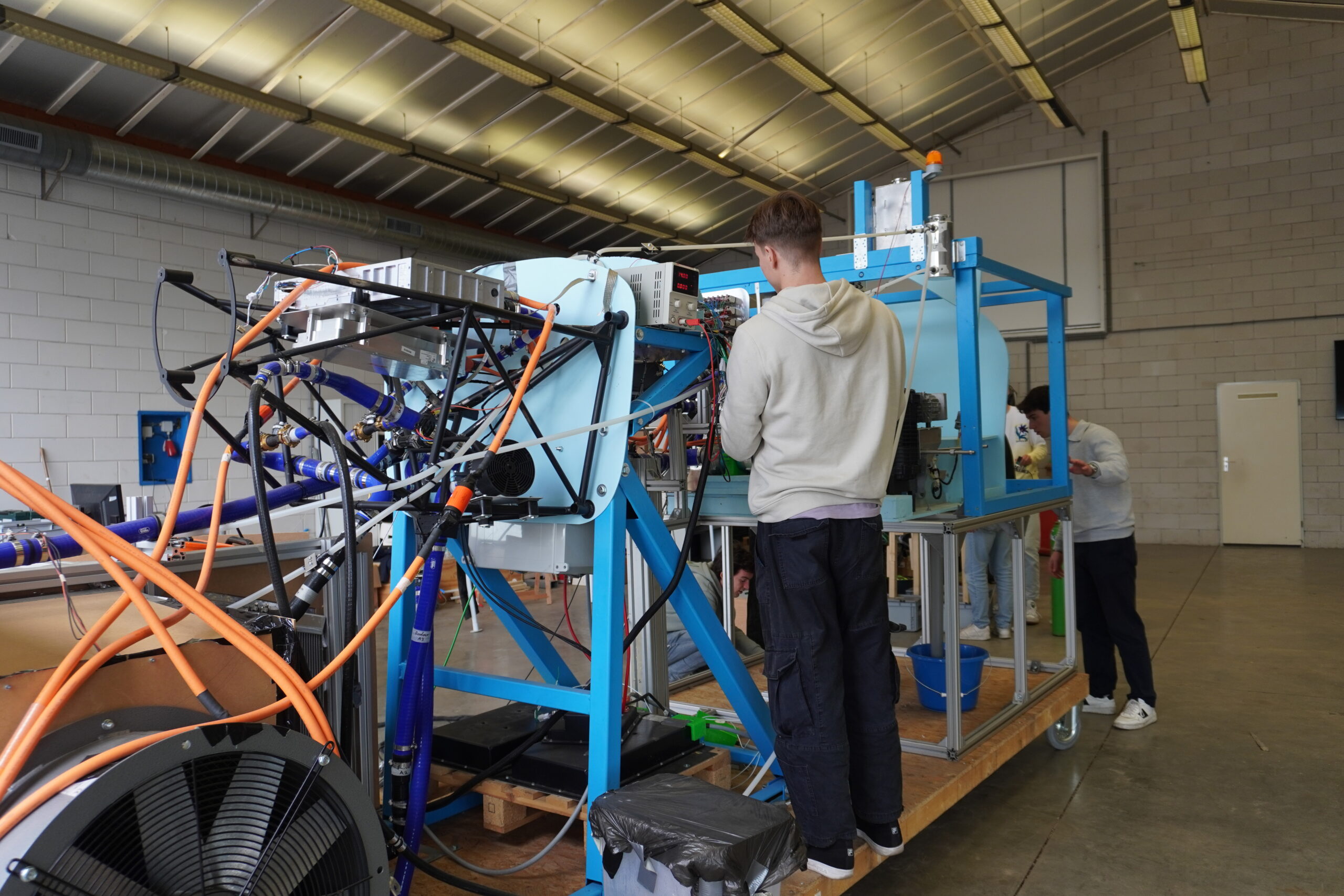
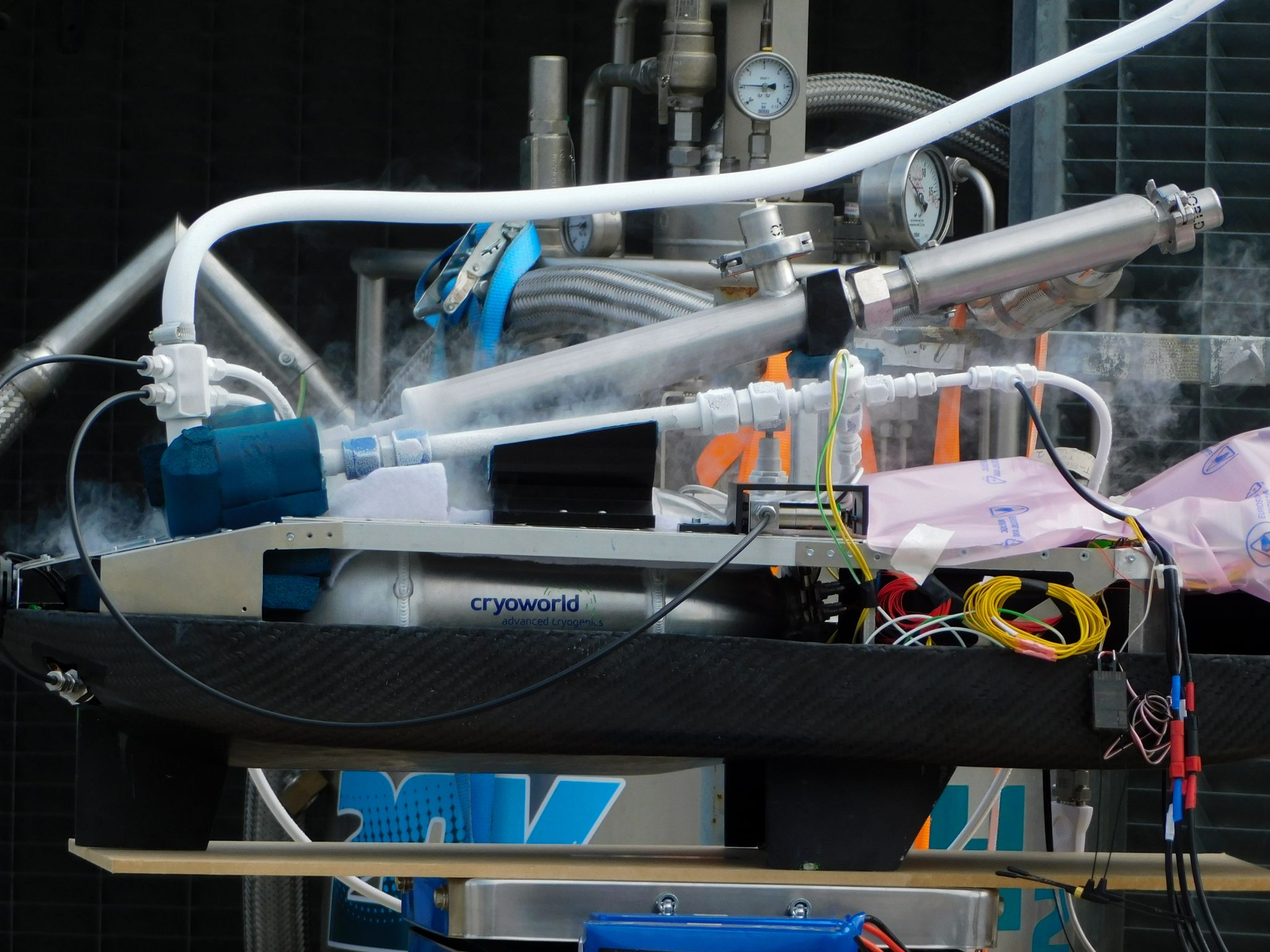
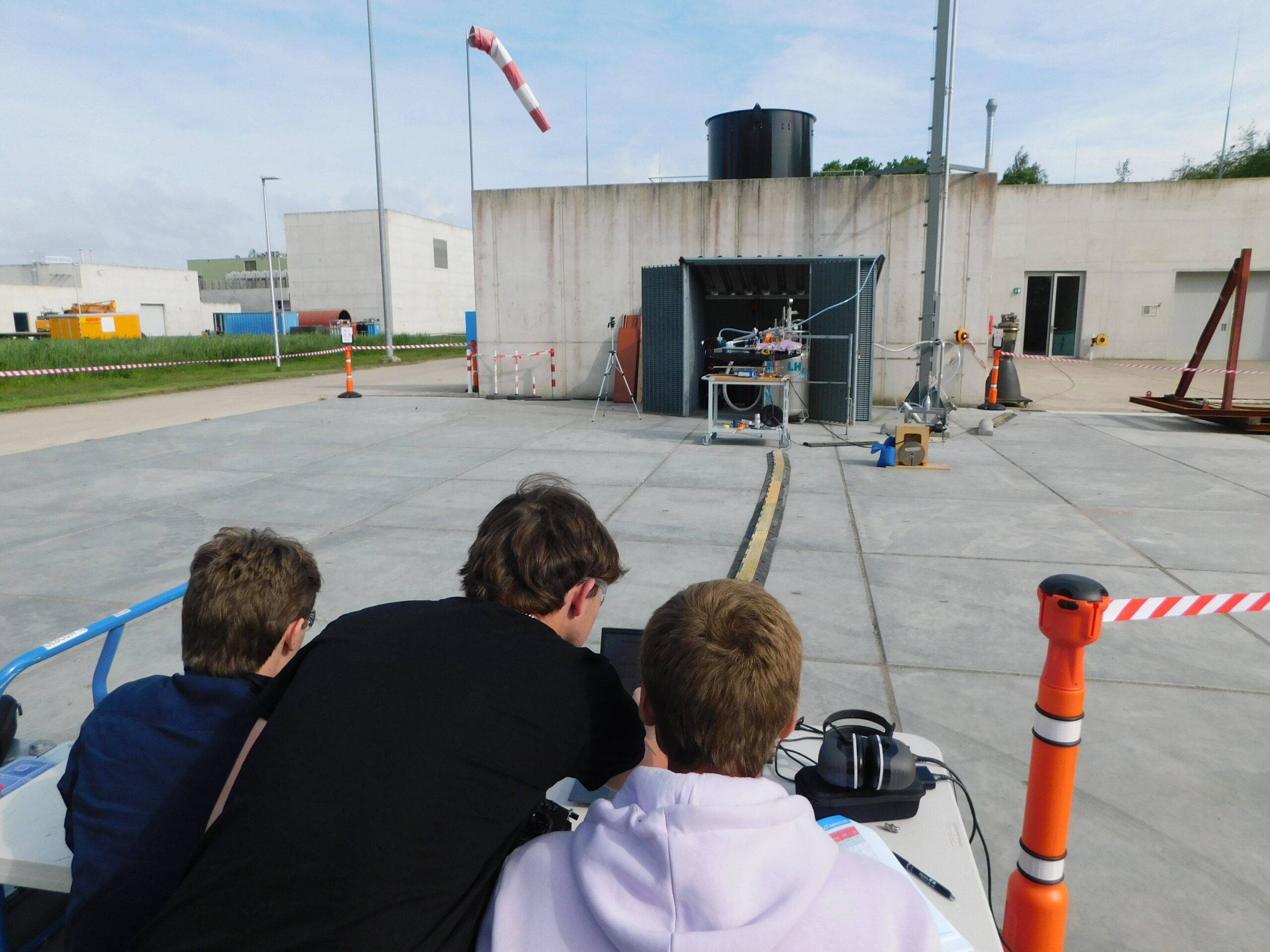
The Liquid Hydrogen Propulsion department develops the liquid hydrogen storage, distribution, and conditioning systems of Phoenix FS. The team designs, integrates, and tests the LH₂ tank, heat exchangers, cryogenic insulation, pressure regulators, and associated piping. Their goal is to enable safe and reliable use of liquid hydrogen in an aircraft environment, turning advanced cryogenic technology into a practical aviation solution.

The Structures department designs and manufactures the mechanical integration of the hydrogen powertrain within the aircraft airframe. The team develops mounts, reinforcements, and structural modifications to the Sling 4 aircraft while ensuring mechanical integrity and safe component placement. Their work combines CAD design, FEM analysis, and hands-on manufacturing to ensure that new propulsion systems can be safely and reliably integrated into the aircraft.
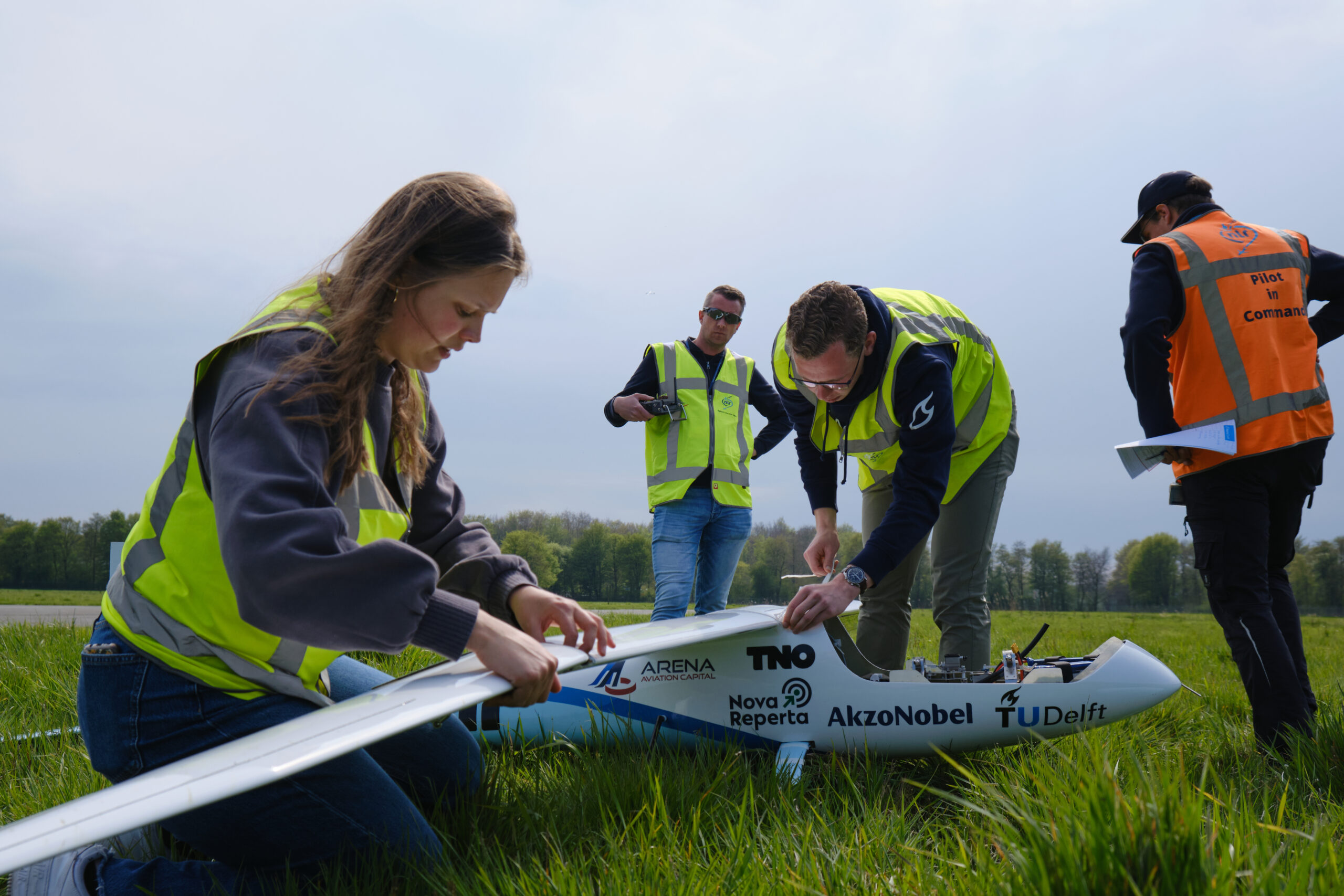
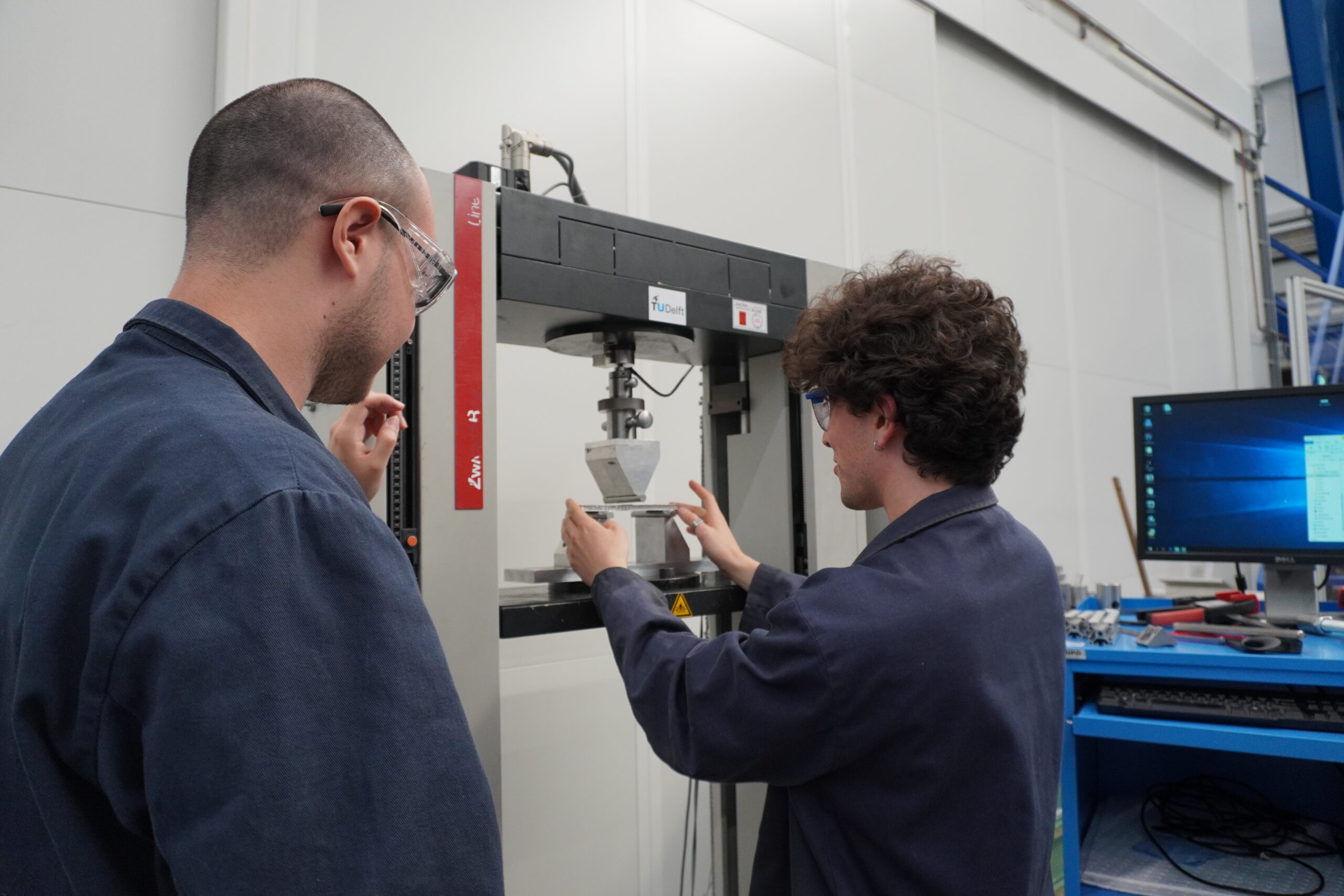
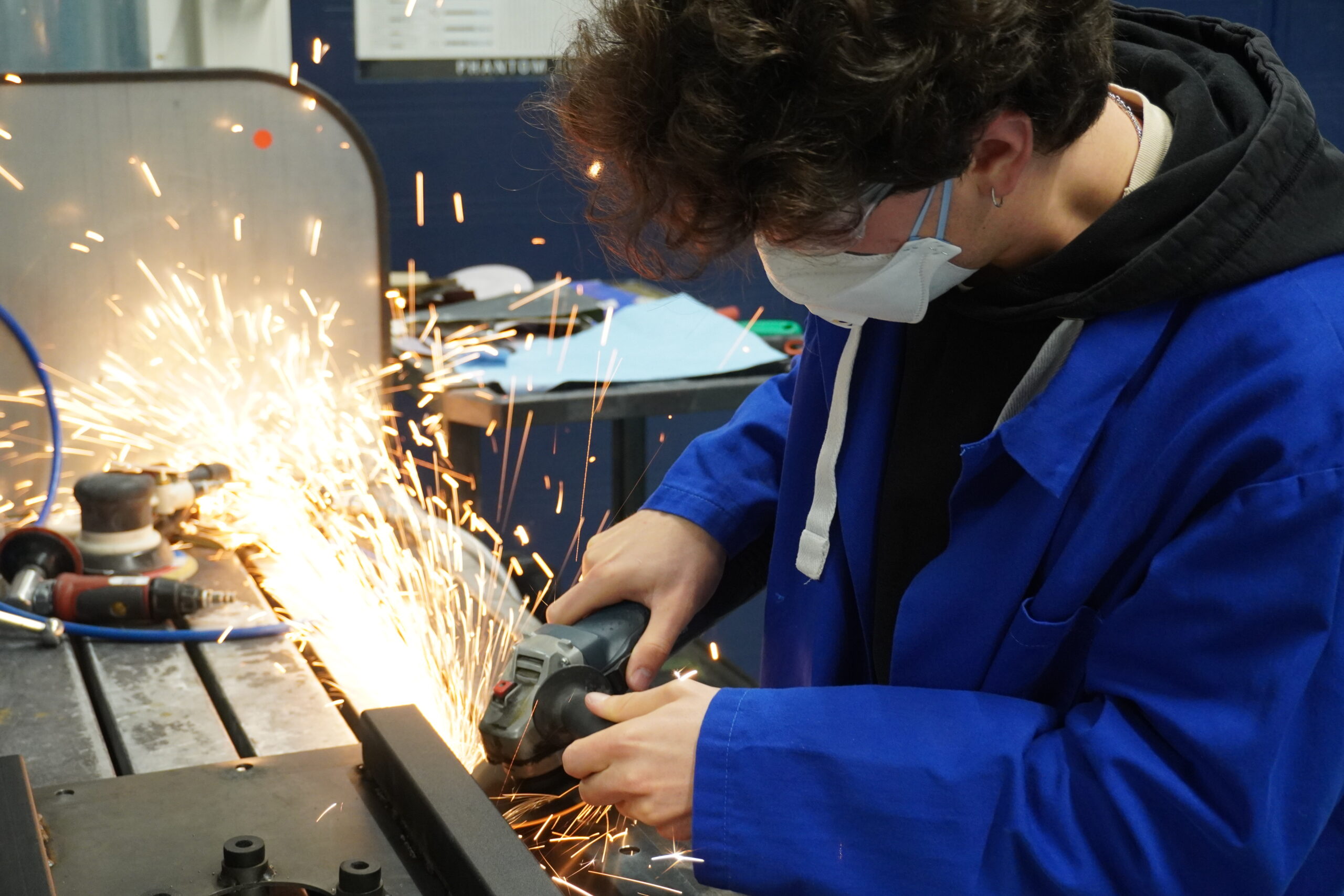
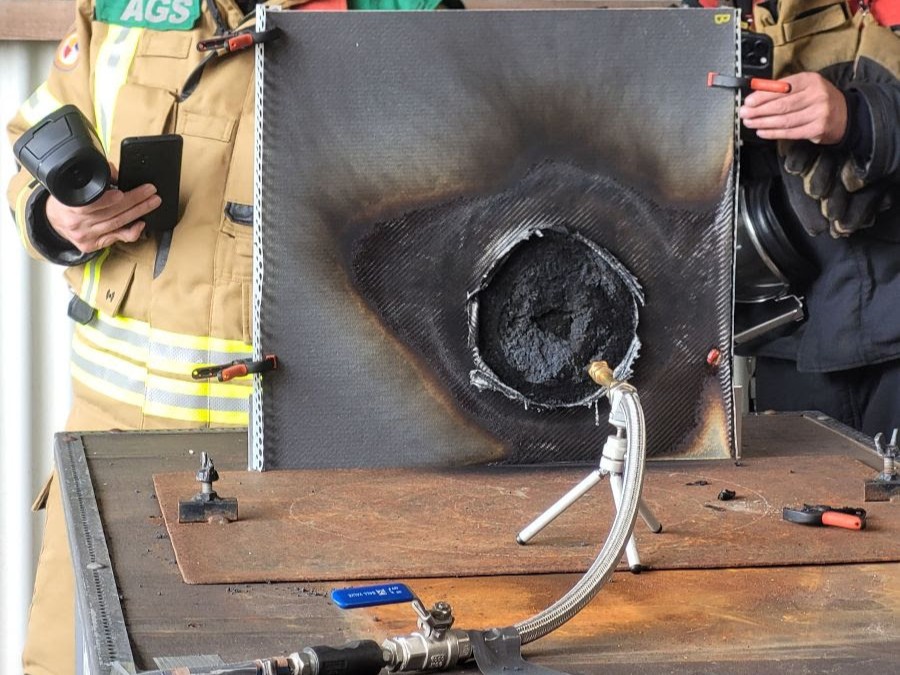
The Fire Protection department develops the systems that protect the aircraft and pilots from fire risks during all phases of operation. This includes designing firewalls, analysing ventilation and jettisoning behaviour, and developing safety logic for hydrogen control systems. By combining knowledge from fluid dynamics, thermodynamics, electronics, and structures, the department ensures that hydrogen propulsion can be used safely in an aviation environment.
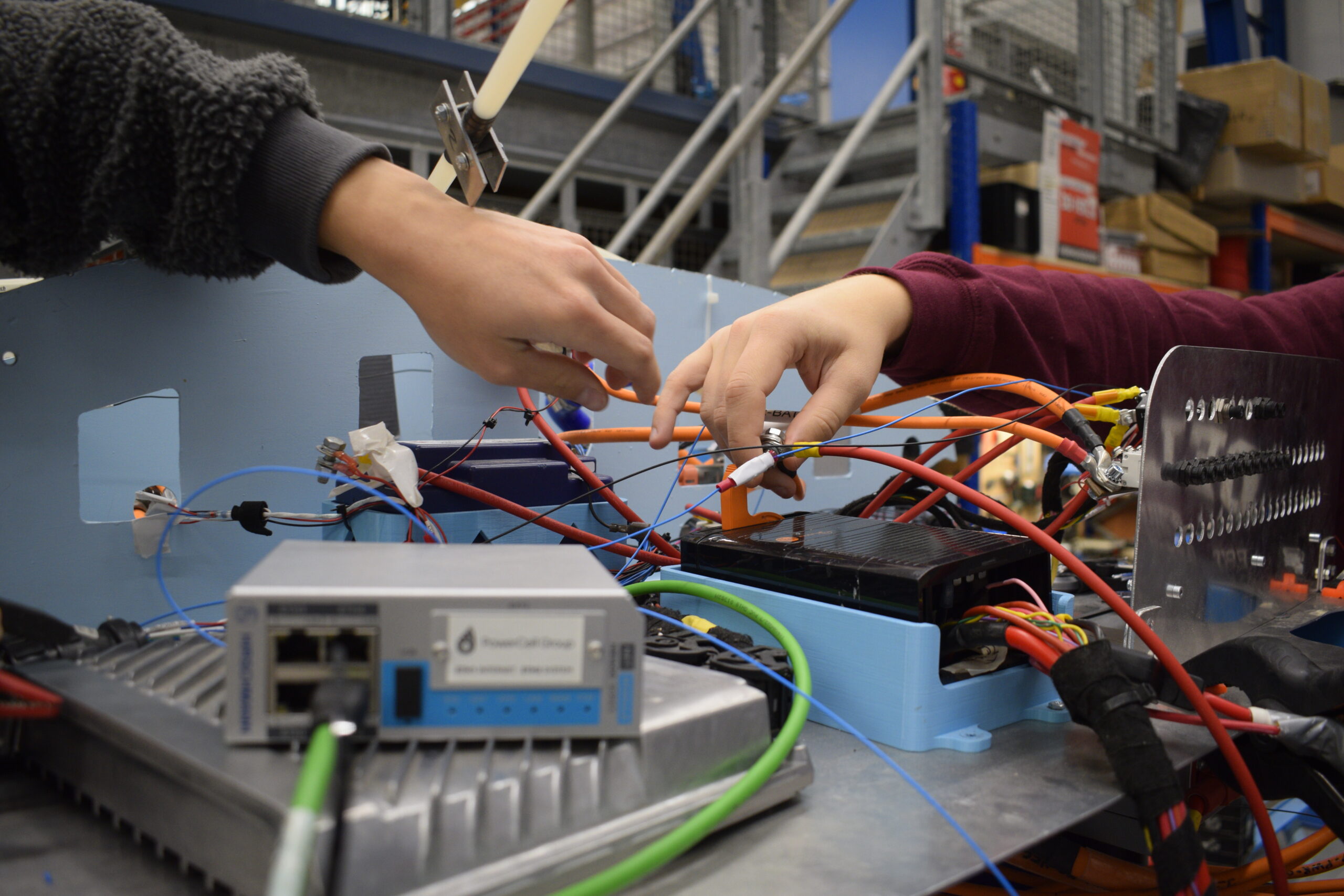
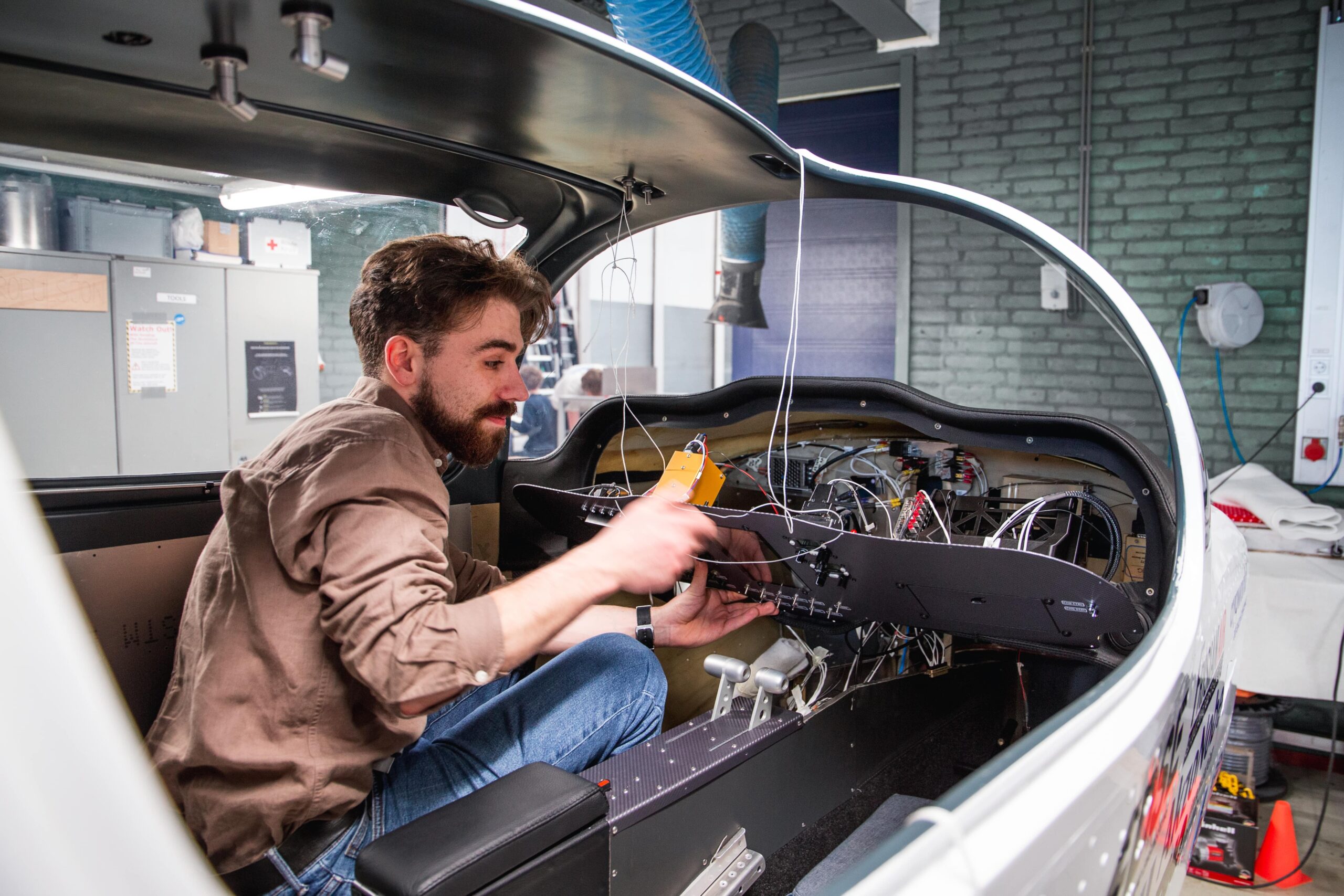
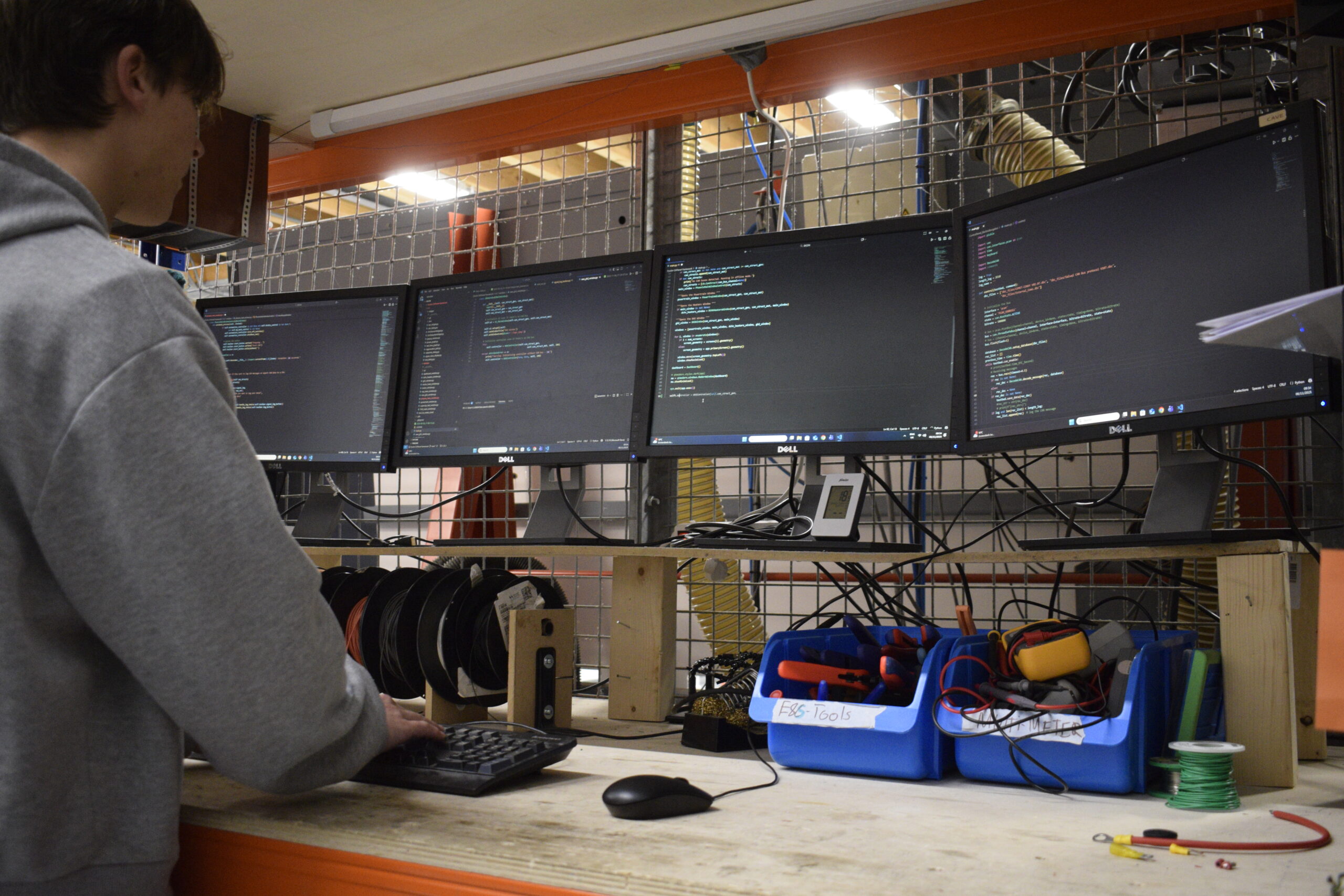
The Electronics & Software department designs and tests the electrical systems and control software of the entire powertrain, from fuel cell to propeller. Their work spans electrical power systems, propulsion control, command and data handling, and avionics. In addition to developing onboard systems, the department supports testing across AeroDelft by providing instrumentation, control systems, and data acquisition solutions that allow the aircraft's behaviour to be understood and validated.

Office 13.200
Kluyverweg 1
2629HS Delft
The Netherlands
© AeroDelft - All Rights Reserved

